
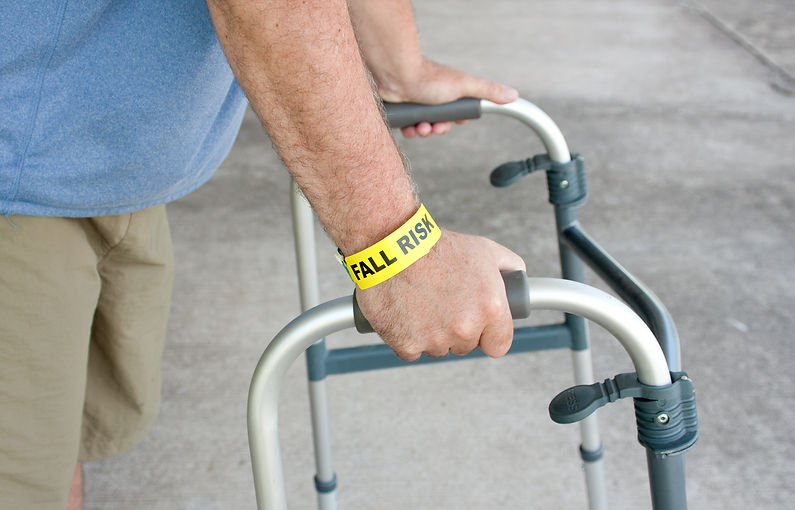
Falls & Balance Therapy
Falls and near falls can affect your safety, confidence, and independence. If you feel unsteady when walking, hold on to furniture, avoid certain activities, or have already had a fall, therapy can help. At LifeCare Therapy, fall prevention and recovery often includes both physical therapy and occupational therapy to improve strength, balance, mobility, home safety, and confidence in daily life.
How Therapy Can Help After A Fall or Near Fall
Falls are rarely caused by just one thing. Weakness, poor balance, changes in walking, dizziness, unsafe home setup, vision changes, low confidence, and difficulty with everyday tasks can all increase fall risk. Best-practice fall prevention focuses on identifying these risk factors early and addressing them with individualized treatment, exercise, education, and home safety strategies.

Physical Therapy for Falls and Balance
Physical therapy helps reduce fall risk by improving strength, balance, coordination, walking, transfers, and overall functional mobility. Your therapist may use targeted exercises, gait and balance training, fall recovery strategies, and hands-on care to help you move more safely and confidently. Exercise-based fall prevention has shown the most consistent benefit in reducing falls and injurious falls in older adults

Occupational Therapy for Fall Prevention at Home
Occupational therapy focuses on the daily activities and environmental challenges that can lead to falls. Your occupational therapist can assess your home setup, identify fall hazards, recommend adaptive equipment or home modifications, and teach safer ways to complete daily tasks such as bathing, dressing, toileting, and meal preparation. Occupational therapy is an important part of multicomponent fall prevention, especially when safety at home and independence with daily routines are a concern.

What Your Fall and Balance Therapy Program May Include
-
One‑to‑one, hour+ sessions — focused, uninterrupted therapy with a single licensed therapist to maximize hands‑on treatment and carryover.
-
Balance and strength training to improve steadiness and reduce fall risk.
-
Gait training and transfer practice for safer walking, turning, standing, and moving from bed, chair, or toilet.
-
Home safety assessment to address clutter, lighting, rugs, bathroom setup, and other fall hazards.
-
Adaptive equipment recommendations when needed for home safety and mobility.
-
Education for patients and caregivers on safer movement, pacing, and strategies to reduce fear of falling.
-
Review of additional fall risk factors such as medications, vision changes, footwear, and overall health concerns, with communication to your physician when appropriate.
FAQ
Do I need physical therapy or occupational therapy for fall prevention?
Many people benefit from one or both. Physical therapy focuses on strength, balance, walking, and mobility, while occupational therapy focuses on home safety, daily activities, adaptive equipment, and environmental modifications. For some patients, the best plan includes both disciplines.
Can therapy help if I have not fallen but feel unsteady?
Absolutely. Feeling unsteady, worrying about falling, or changing how you move to avoid a fall are important warning signs. It is always better to start therapy before you fall.
What does a home safety assessment include?
A home safety assessment may include looking at lighting, rugs, clutter, bathroom setup, stairs, furniture placement, and how you move through your daily routines. Occupational therapy can also recommend adaptive equipment and modifications to improve safety and independence. The goal is to make sure your environment supports your safety and independence. Some families also ask for our help if a move to a new home is planned to help ensure the space is safe before Mom or Dad arrive.
Can LifeCare provide the therapy in my home?
We always think the home is the best place for your therapy care and this is especially true for fall and balance therapy. As always, patients can also choose to receive care at our Tamarac clinic.
What can I do now to help myself or my parents?
We have a great blog post on that if you would like some strategies you can do right now. Click here for the link!

Ready to get started?
We understand you have choices when selecting a therapy provider, and we would be honored to be part of your care. Our team is here to listen, learn about your needs, and provide personalized support every step of the way.
Getting started is simple—just give us a call. We’ll take care of the details, including verifying your insurance, coordinating with your physician for any necessary orders, and setting up the therapy services you need.